Understanding the Concept: Why Most Kitchen Remodels Fail Before They Start
A successful kitchen remodel is not driven by inspiration images—it’s driven by a clear design strategy. In practice, I often meet clients who come with a collection of ideas but no understanding of how those ideas translate into space, workflow, and budget.
A well-executed kitchen design begins with defining priorities: cooking frequency, storage needs, entertaining habits, and long-term durability. For example, a family of four with daily cooking routines requires a fundamentally different layout and material strategy than a couple designing a show kitchen.
The biggest shift in 2026 is that kitchens are no longer single-purpose spaces. They function as hybrid environments—cooking, working, socializing—which means zoning becomes more important than aesthetics alone.
Layout Logic: From Work Triangle to Functional Zoning
The Evolution Beyond the Work Triangle
The classic work triangle still matters, but in modern kitchen remodel projects, it’s only a starting point. Today, we design around zones: preparation, cooking, cleaning, storage, and social interaction.
In one recent project with a 280 sq. ft. kitchen, we replaced a traditional triangle with parallel zones. The result was a 20% improvement in movement efficiency and significantly less congestion during peak use.
Smart Layout Strategies
- Galley kitchens: Best for compact urban spaces; prioritize vertical storage and uninterrupted countertops
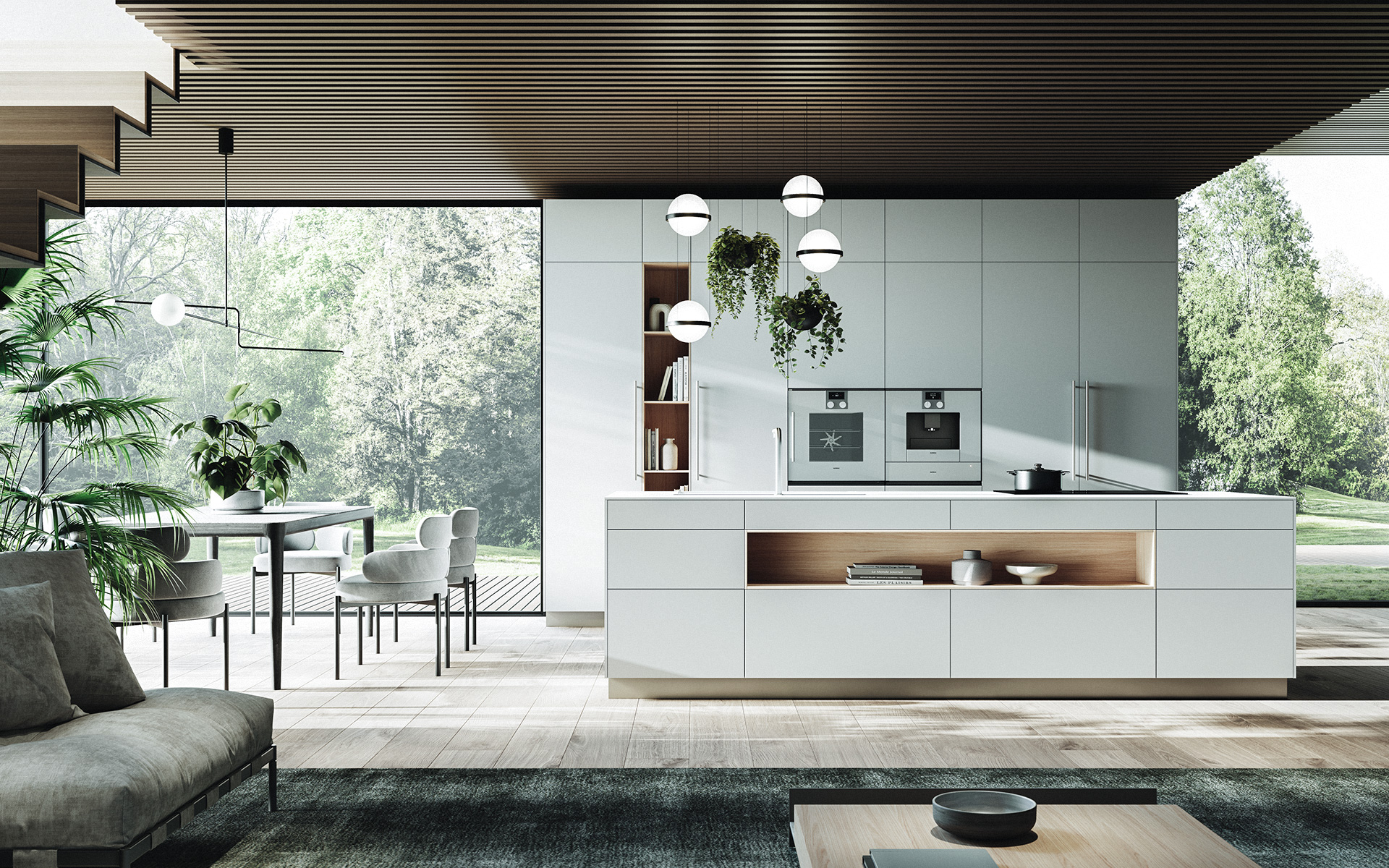
- L-shaped kitchens: Flexible for open-plan layouts; ideal for integrating dining or island zones
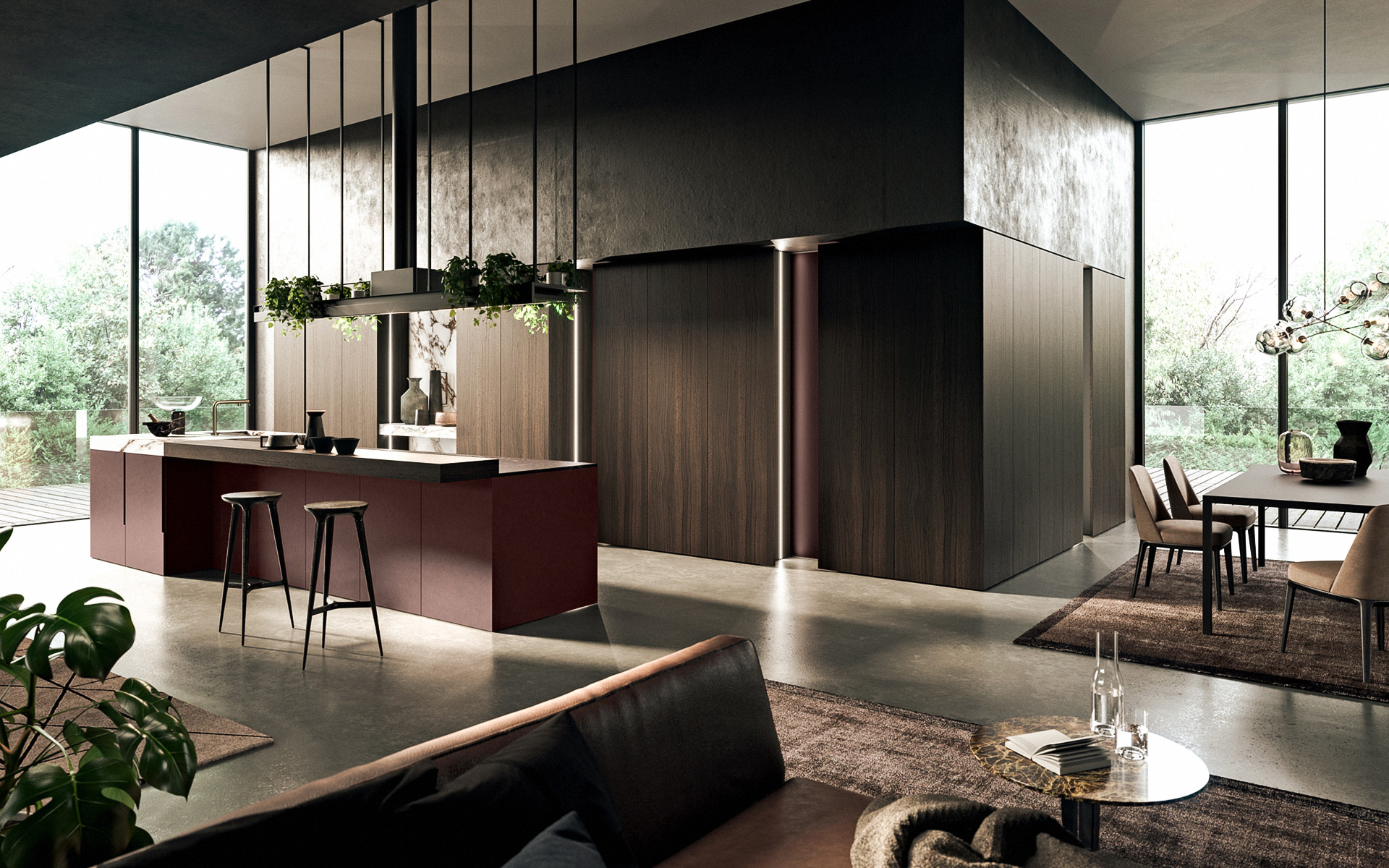
- Island kitchens: High functionality, but only when circulation space is at least 42–48 inches
- U-shaped kitchens: Maximum storage efficiency, but require careful lighting and ventilation planning
Poor layout decisions are one of the primary drivers of increased kitchen renovation costs. Reworking plumbing, electrical, or structural walls can increase costs by 20–40%.
Storage Efficiency: Designing for Real Life, Not Showrooms
Why Storage Fails in Most Kitchen Remodels
Clients tend to underestimate how much storage they actually need. Standard cabinetry layouts often waste up to 30% of usable volume due to poor internal configuration.
A properly designed kitchen includes layered storage:
- Deep drawers for cookware instead of lower cabinets
- Vertical dividers for trays and cutting boards
- Pull-out systems for pantry zones
- Hidden storage integrated into islands
Real-World Scenario
In a mid-range kitchen remodel, we replaced traditional cabinets with drawer-based systems and added a compact pantry wall. The result: storage capacity increased by 40% without expanding the footprint.
Storage is not about quantity—it’s about accessibility and ergonomics.
Material Selection: Where Design Meets Durability
Cabinet Finishes
In 2026, cabinet finishes are moving toward tactile, matte surfaces. High-gloss is declining in favor of more forgiving textures.
- Matte lacquer: Clean, modern, but requires careful maintenance
- Wood veneer: Adds warmth; ideal for transitional and European kitchen design
- Textured laminates: Cost-effective and durable for high-use kitchens
Countertops
Material selection directly impacts both performance and kitchen remodel costs.
- Quartz surfaces: Low maintenance, consistent appearance
- Natural stone: Unique but requires sealing and maintenance
- Porcelain slabs: Increasingly popular due to heat and scratch resistance
Hardware and Details
Hardware is often underestimated, but it defines the tactile experience. In premium kitchen design, handle placement, weight, and finish consistency are critical.
Handleless systems are trending, but they must be paired with high-quality mechanisms to avoid usability issues.
Style Direction: Minimalist vs European vs Transitional
Minimalist Kitchens
Minimalist kitchen design focuses on clean lines, hidden storage, and visual simplicity. However, this style demands precision—any misalignment or poor material choice becomes highly visible.
Best for clients prioritizing aesthetics and low visual noise.
European Kitchens
European kitchens emphasize efficiency, engineered materials, and integrated appliances. This approach works well in both compact and large spaces due to its modular logic.
In practice, European kitchen design often delivers the best balance between cost and performance.
Transitional Kitchens
Transitional kitchens combine classic structure with modern finishes. They are the most adaptable option for resale value, especially in the US mid-range market.
This style allows more flexibility in material selection without committing to extreme minimalism or traditional detailing.
Cost Structure: What Really Drives Kitchen Renovation Costs
Understanding kitchen renovation costs requires breaking the project into components.
Primary Cost Drivers
- Cabinetry (30–40%)
Custom or semi-custom cabinets are the largest expense in most kitchen remodel projects. - Labor and installation (20–30%)
Skilled labor significantly impacts final quality—and cost. - Countertops and materials (10–20%)
Premium materials can quickly escalate budgets. - Appliances and fixtures (10–20%)
Integrated systems increase both cost and complexity. - Infrastructure changes
Moving plumbing, gas lines, or electrical systems is the fastest way to increase kitchen remodel costs.
Budget Insight
A well-planned kitchen design often reduces unnecessary spending. For example, maintaining the existing layout can lower total costs by up to 25% without compromising functionality.
Common Mistakes Clients Make
1. Prioritizing Aesthetics Over Function
A visually impressive kitchen that doesn’t support daily use will quickly become frustrating. Workflow must always come first.
2. Underestimating Storage Needs
Insufficient storage leads to clutter, which undermines even the best kitchen design.
3. Ignoring Lighting Strategy
Layered lighting—task, ambient, and accent—is essential. Poor lighting design affects both usability and atmosphere.
4. Overcomplicating the Layout
Adding islands or features without considering space constraints often reduces efficiency rather than improving it.
5. Misjudging Budget Allocation
Clients often overspend on finishes while neglecting core elements like cabinetry quality or installation.
2026 Trends: What Actually Matters
Integrated Living Spaces
Kitchens are becoming seamless extensions of living areas. This requires consistent materials and visual continuity.
Concealed Functionality
Hidden appliances, integrated storage, and flush surfaces are defining modern kitchen remodel projects.
Sustainable Materials
Clients are increasingly prioritizing environmentally responsible materials—not as a trend, but as a long-term investment.
Smart Ergonomics
Height-adjusted surfaces, improved drawer mechanics, and intuitive layouts are becoming standard in premium kitchen design.
Final Thought: Designing a Kitchen That Works Long-Term
A successful kitchen remodel is not about following trends—it’s about aligning design decisions with how the space is actually used.
Every choice—layout, materials, storage, and budget allocation—should support daily functionality. When these elements are aligned, the result is a kitchen that not only looks refined but performs efficiently for years.
That’s the difference between a decorative upgrade and a professionally executed kitchen design.